


















Our Maths lead is Miss McIntyre
Intent
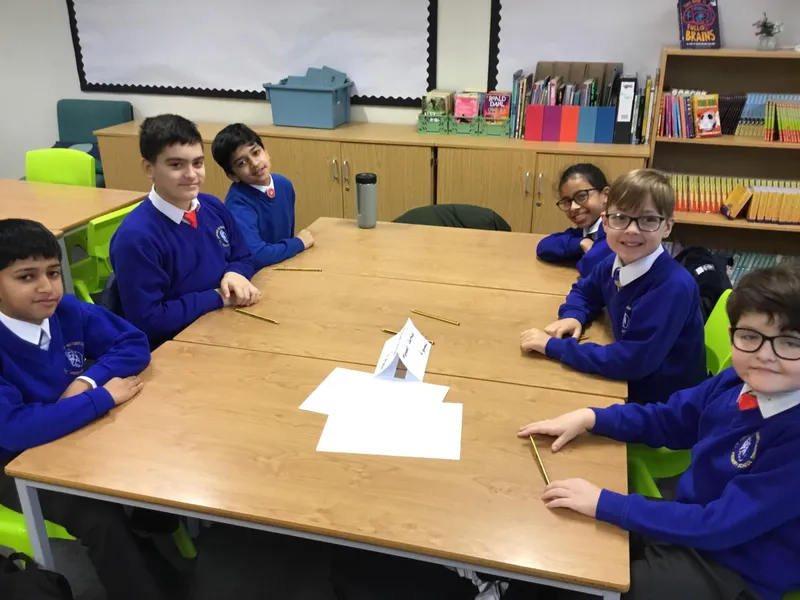
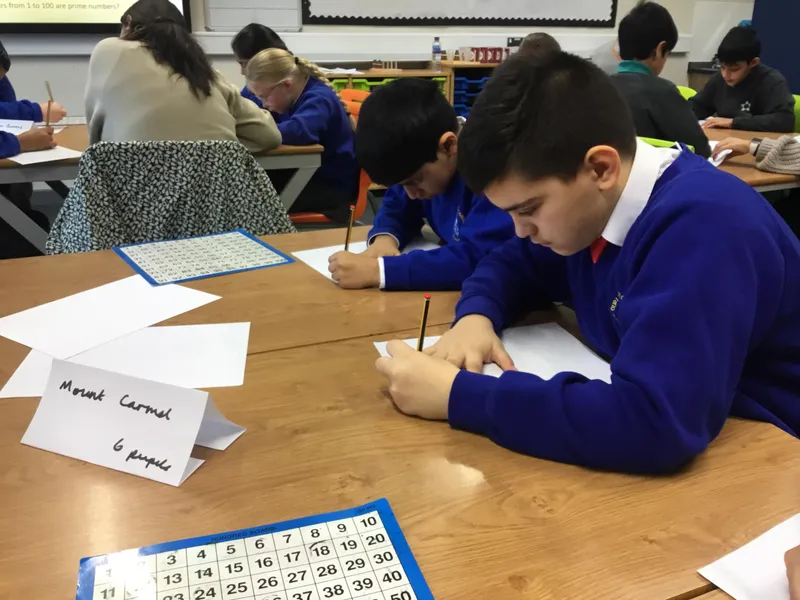
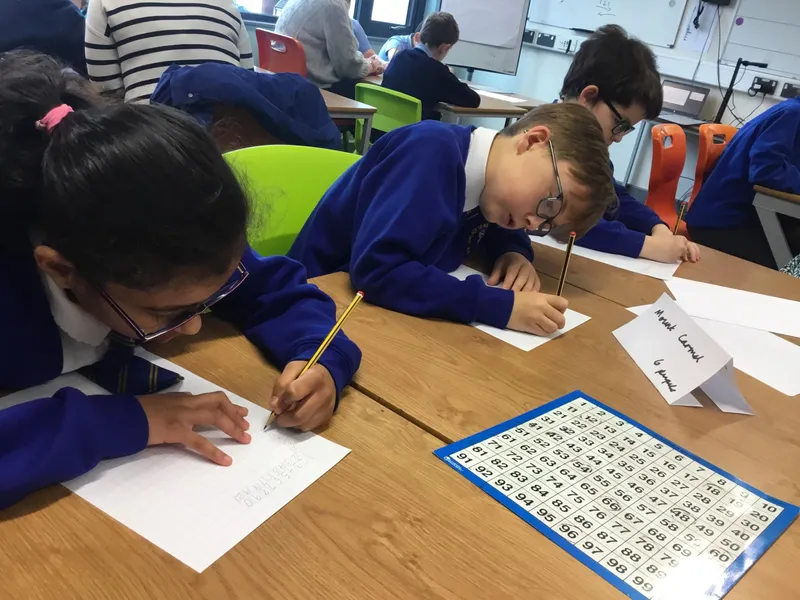
At Our Lady of Mount Carmel, we aim to develop confident, fluent and resilient mathematicians with a deep understanding of mathematical concepts. Through a mastery approach, we aim for our pupils to:
- Develop fluency in key mathematical skills through carefully sequenced learning and regular practice.
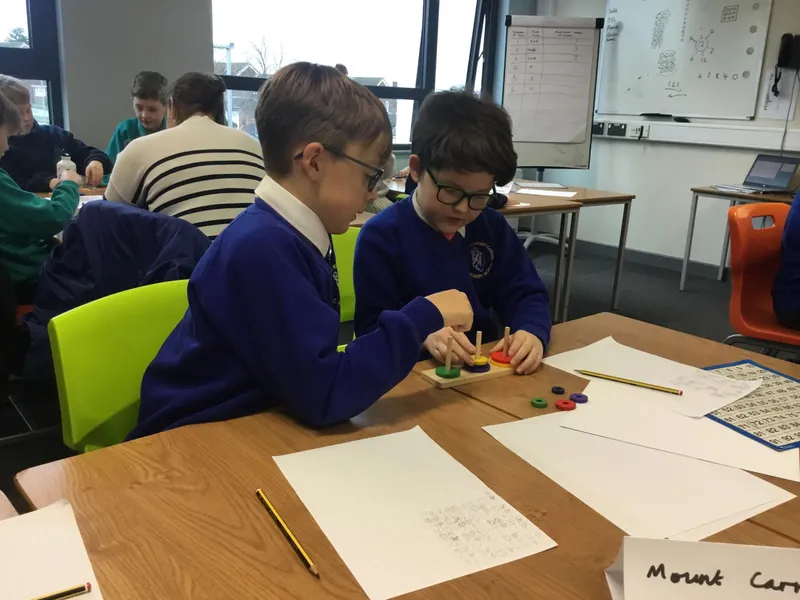
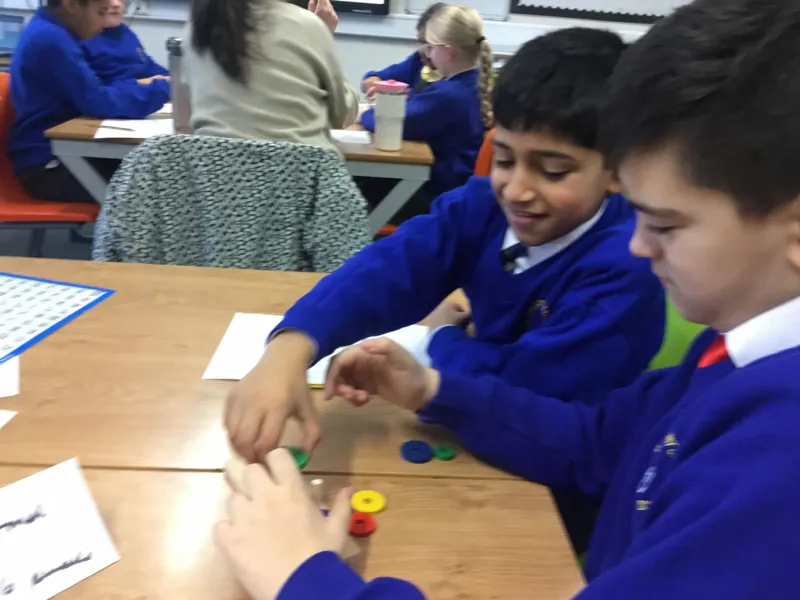
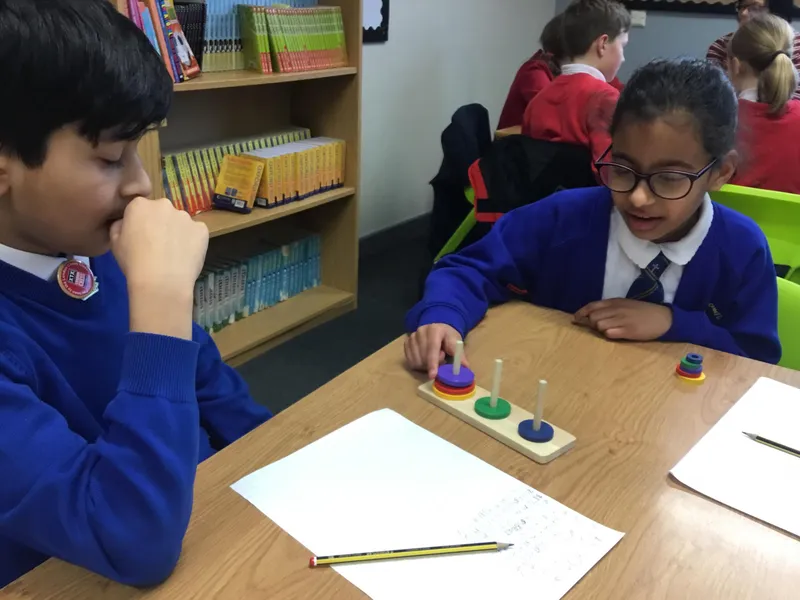
- Build conceptual understanding by exploring mathematical ideas in depth, using concrete, pictorial and abstract representations.
- Apply their knowledge through reasoning and problem-solving, explaining their thinking using precise mathematical language.
- Become resilient learners who embrace challenge and understand that making mistakes is part of learning.
- Make connections between different areas of mathematics and recognise its relevance in everyday life.
Implementation
Mathematics is delivered through whole-class teaching using the White Rose Maths scheme, which is adapted by teachers to meet the needs of all learners.
Mathematical oracy underpins all maths lessons. Through teacher modelling of accurate mathematical language and sentence stems, pupils are supported to explain the ‘why’ of their thinking. This approach promotes a shift from procedural recall to deep, connected understanding, developing pupils as mathematical thinkers. Pupils revisit and acquire new vocabulary daily, enabling them to communicate their reasoning with precision.
In Early Years, maths learning is delivered via:
- Short, focused adult-led sessions (via the Mastering Number Programme in reception)
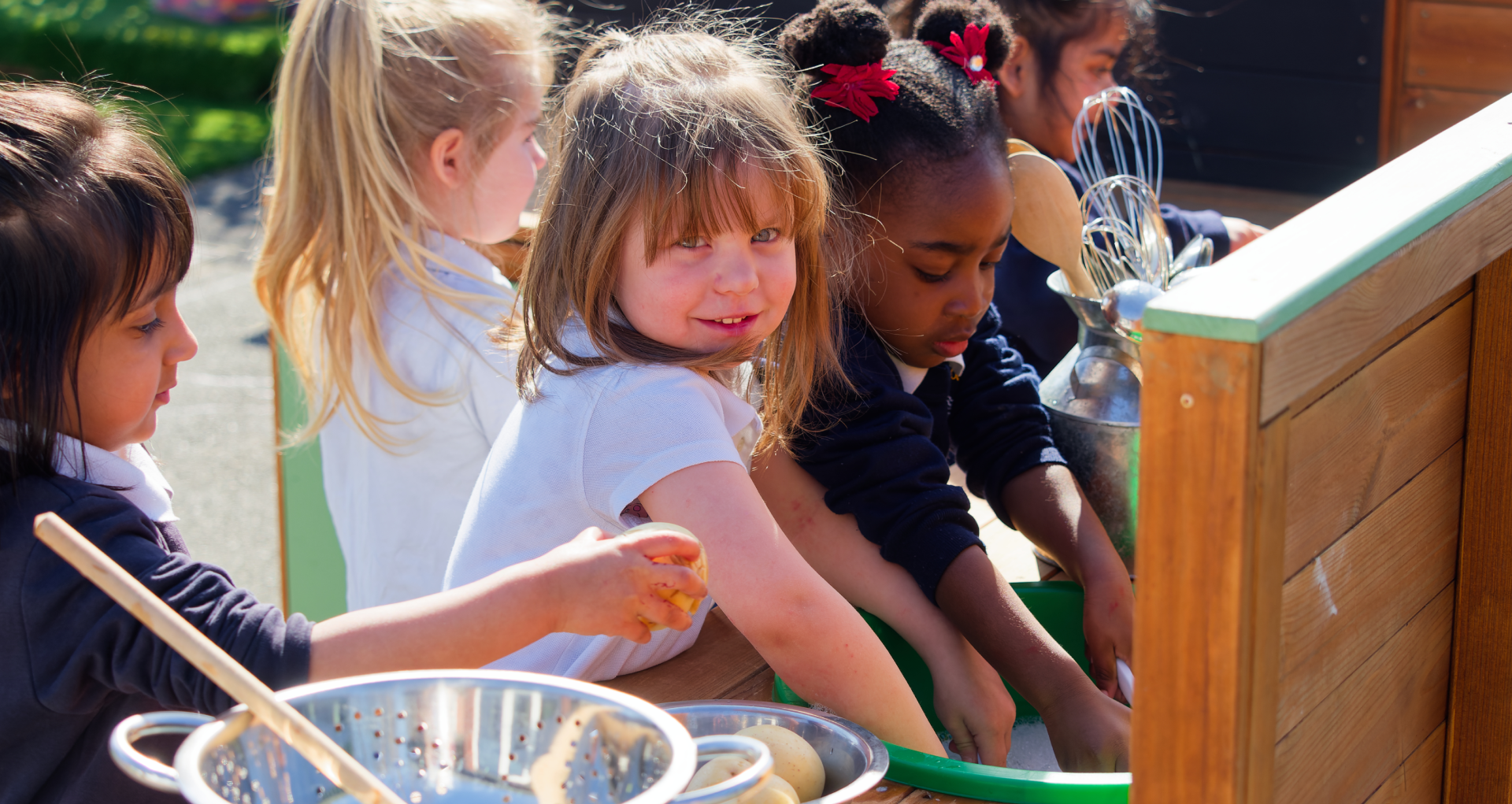
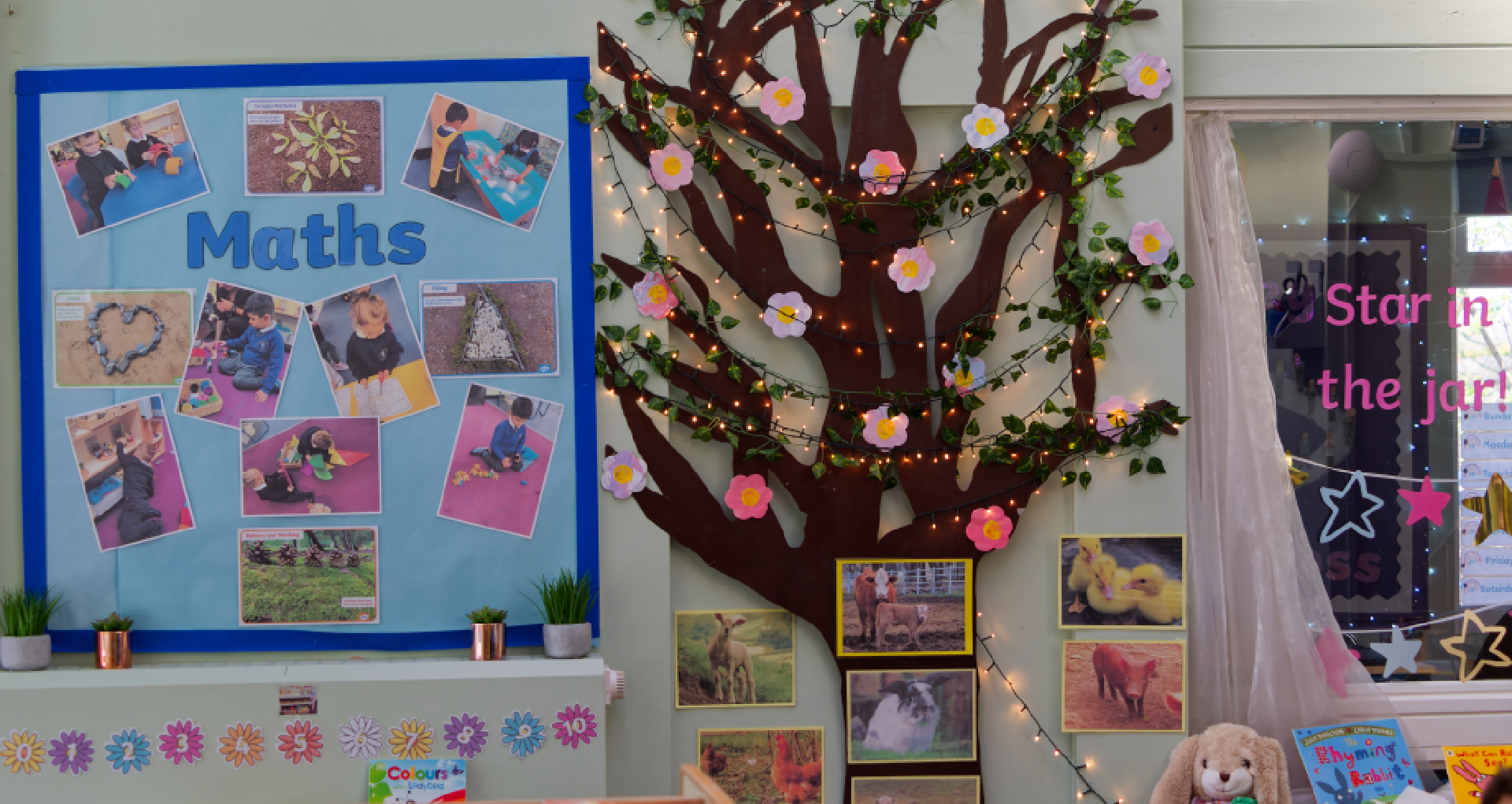
- Opportunities for children to explore maths independently in continuous provision
- Daily opportunities to apply maths through routines, stories, songs, and play
Fluent in 5
Classes in KS2 take part in a daily Fluent in 5 session, in which pupils answer a small number of arithmetic questions, building accuracy, speed and confidence with core mathematical skills.
Mastering Number
Efficient and accurate recall of key number facts and procedures is essential for developing mathematical fluency. This reduces the cognitive load on working memory, allowing pupils to focus more effectively on new learning and problem-solving.
To achieve this, in addition to their daily maths lesson, pupils in Years 1–5 participate in a daily Mastering Number session. These short, focused sessions are designed to build fluency by helping pupils recall number facts with increasing automaticity. They also develop number sense, deepening pupils’ understanding of relationships between numbers and how they work.
In Years 1–3, the emphasis is on addition and subtraction, while in Years 4 and 5, the focus shifts to multiplication and division.
In Reception, the Mastering Number programme is used as the daily mathematics teaching input. Sessions focus on developing key early number skills, including subitising (recognising quantities without counting), composing and decomposing numbers, and understanding relationships within numbers to 10, often using “5-and-a-bit” structures. The programme promotes mathematical talk through the use of stem sentences, encouraging pupils to share their ideas and think carefully before responding, thereby fostering early mathematical reasoning.
Impact
The impact of our mastery approach is that pupils develop a deep, secure and fluent understanding of mathematics over time. Pupils build on prior knowledge through a carefully sequenced curriculum, enabling them to make progress from their starting points.
They demonstrate confidence in number, use precise mathematical vocabulary and are able to explain their reasoning clearly. Pupils apply their knowledge to a range of problems, including unfamiliar contexts, showing resilience and independence.
In EY, assessment is ongoing and observational, allowing practitioners to informally observe pupils, move learning forward in the moment and plan next steps. This ensures that all children develop secure foundations for future mathematical learning in Key Stage 1
In Key stage 1 and 2 pupils are assessed continuously in lessons, as well as at the start and end of each unit, so that misconceptions can be identified and addressed swiftly. By the end of Key Stage 2, pupils are prepared for the next stage of their education, with a secure understanding of key concepts and a positive attitude towards mathematics.
Home Learning
We encourage families to support mathematical learning at home through:
- Discussing mathematics in everyday contexts (shopping, cooking, measuring)
- Learning number facts/completing written homework activities given by the teacher.
- Engaging with online platforms:
Nursery: Ten Town
https://tentown.co.uk/login-page-home
See your child's teacher for login details
Reception: Ten Town/ 1 Minute Maths
Download the free 1 minute maths White Rose app from your app store
Year 1: Numbots /1 Minute Maths
See your class teacher for you child's login details for Numbots
Year 2: Numbots /1 Minute Maths/Times Tables Rock Stars (TTRS)
See your child's teacher for TTRS and Numbots login details
Year 3-6: TTRS and LBQ
See your child's teacher for login details
Aspirations
In order to inspire and prepare our pupils for the world of work, we want them to understand how learning maths can be useful to them in everyday life and in their future careers.
As mathematicians, our pupils could become:
• teachers
• sound engineers
• coastguards
• astronauts
• theme park designers
More ideas of careers using maths can be found at First Careers